
Hey everyone! I know that feeling – staring at those massive CPA review books, wondering if you’ll ever see the light at the end of the tunnel. It’s a journey that can feel incredibly daunting, often testing your limits and pushing you to the brink.
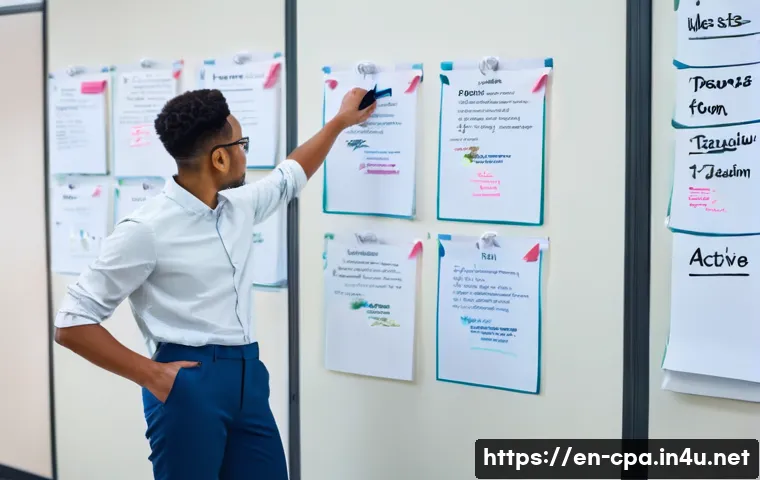
I’ve been there myself, burning the midnight oil, questioning every single choice, and sometimes even doubting if this demanding career path was truly for me.
But let me tell you, friends, every late night, every complex problem solved, every concept finally understood, it all builds up to something truly extraordinary.
In today’s rapidly evolving financial world, where AI and automation are redefining roles and the demand for strategic financial minds is soaring, the CPA credential isn’t just a golden ticket; it’s a powerful statement.
It’s about securing your future, gaining unparalleled expertise, and earning the respect that comes with mastering one of the most rigorous professional exams out there.
If you’re currently in the thick of it, or even just contemplating this incredible challenge, remember why you started. That core drive, that vision for a rewarding career – that’s your ultimate fuel.
Feeling your motivation dip? Don’t worry, you’re absolutely not alone, and I’ve got your back. Ready to reignite that spark, overcome the hurdles, and find your ultimate study mojo?
Let’s find out exactly how to keep your motivation soaring!
Crafting Your Unshakeable Mindset
Redefining Failure and Success
When you’re deep in the trenches of CPA prep, it’s so easy to get bogged down by every missed question or practice exam score that isn’t quite where you want it to be.
I remember those moments vividly, feeling a pang of discouragement every time I stumbled. But here’s the thing I wish someone had really driven home to me early on: “failure” isn’t truly failing unless you stop trying.
It’s a pit stop, a feedback mechanism, a chance to pivot and learn. Think of it less as a personal shortcoming and more as the exam showing you exactly where you need to focus your energy.
Every single wrong answer is a signpost pointing you toward mastery. When you start seeing these challenges not as roadblocks, but as crucial steps on your path to success, your entire perspective shifts.
This isn’t just some fluffy mindset talk; it’s a practical approach that conserves your mental energy and keeps you moving forward, even when the going gets tough.
I truly believe that cultivating this resilience, this ability to learn from every misstep, is just as vital as understanding deferred tax liabilities.
It’s about building a mental fortress that can withstand the inevitable pressures of this rigorous journey, and frankly, it’s a skill that serves you well far beyond the exam itself, right into your professional career.
It’s about recognizing that growth often comes from struggle, and embracing that process allows you to approach each new problem with renewed determination, rather than with dread.
Embracing the Marathon, Not the Sprint
Let’s be real, the CPA exam isn’t a quick sprint to the finish line; it’s an absolute marathon, demanding endurance, strategy, and consistent pacing. I learned this the hard way, trying to cram too much too fast and quickly burning out.
What I discovered, and what I’ve seen countless successful candidates adopt, is the power of a steady, sustainable pace. This means setting realistic daily goals, celebrating the small victories, and understanding that some days will be more productive than others.
It’s not about being perfect every single day, but about showing up consistently. When I finally shifted my perspective from feeling like I had to conquer everything at once to simply focusing on my next study session, the weight lifted immensely.
It became about making consistent progress, even if it was just an hour or two on a particularly draining day. This approach helps prevent that overwhelming feeling that can make you want to throw in the towel.
Trust me, slow and steady truly wins this race, allowing your brain to properly absorb and retain the vast amount of information, rather than trying to force-feed it all at once.
It also helps manage stress levels, which, let’s be honest, are already sky-high when you’re tackling something like the CPA exam. Remember, consistency beats intensity every single time over the long haul.
Strategic Study Hacks That Actually Work
Active Recall and Spaced Repetition: Your Secret Weapons
Alright, let’s talk brass tacks about studying smarter, not just harder. For me, and honestly, for almost everyone I’ve coached through this beast of an exam, the game-changers were active recall and spaced repetition.
Forget passively rereading notes; that’s like trying to fill a leaky bucket. Active recall is about forcing your brain to retrieve information without looking at the answer, like making flashcards and testing yourself, or explaining a concept aloud as if you’re teaching it to someone else.
It feels harder in the moment, I know, but that struggle is your brain strengthening those neural pathways. When I started doing this, my retention soared.
Coupled with spaced repetition – reviewing material at increasing intervals – it’s a powerhouse combo. This means revisiting topics you’re weaker on more frequently and spreading out your review of stronger areas.
There are tons of apps out there that can help you with this, or you can even build your own system. The key is to challenge yourself constantly and to understand that your brain learns best through effortful retrieval, not just recognition.
It’s like hitting the gym for your memory muscles, building them up over time so they’re ready for the heavy lift on exam day.
Mastering the Art of Practice Problems
You’ve probably heard it a million times, but I cannot stress this enough: practice problems are your absolute best friends. I genuinely believe my success on the CPA exam was largely due to the sheer volume of practice questions and simulations I worked through.
It’s not enough to just understand the concept; you need to understand how the concept is tested. Becker, Wiley, UWorld, whatever prep course you’re using – milk their question banks for all they’re worth.
Don’t just do the problems; dissect them. Why was your answer wrong? What specific rule or concept did you miss?
How could you approach it differently next time? I used to keep a “mistake journal” where I’d write down the concept, why I got it wrong, and the correct approach.
It was a tedious process, but it was incredibly effective for identifying patterns in my errors and cementing those tricky areas. Simulations are equally crucial; they demand a different kind of critical thinking and application of knowledge.
Don’t skip them because they look intimidating. They’re a significant portion of the exam, and getting comfortable with their format and demands before exam day is non-negotiable.
Treat every practice problem like a mini-exam, and you’ll walk into the real thing feeling far more prepared and confident.
Navigating the Storm: Overcoming Burnout and Setbacks
Strategies for Battling Burnout
Let’s be honest, burnout is a very real beast when you’re studying for the CPA exam. I’ve been there, staring blankly at a page, feeling like my brain was just fried.
It’s a sign that you’re pushing too hard without adequate recovery. The absolute best strategy I found was proactive rest. This isn’t just about taking a day off when you’re already exhausted; it’s about scheduling regular breaks and downtime into your study routine from the very beginning.
Think of it as charging your battery before it dies completely. This could mean a completely unplugged evening once a week, a hike on a Saturday, or even just an hour to do something you genuinely enjoy every single day.
Stepping away, even briefly, allows your subconscious mind to process information and prevents that feeling of being perpetually overwhelmed. Don’t feel guilty about these breaks; they are essential for long-term endurance and effective learning.
Your brain needs time to consolidate what you’ve learned and to simply decompress. Pushing through exhaustion often leads to inefficient studying and frustration, so embracing scheduled breaks is actually a smart study strategy.
Bouncing Back from a Failed Section
This is perhaps the hardest part of the journey, and it’s one that many, many candidates face. If you find yourself in this situation, please know that you are absolutely not alone, and it is *not* a reflection of your intelligence or your capability.
I’ve had friends who failed multiple sections before finally conquering them, and they are now incredibly successful CPAs. The first thing is to allow yourself to feel whatever you need to feel – disappointment, frustration, anger – but then, you need to pick yourself up.
Request that score report immediately! This report is gold because it tells you exactly where you fell short. Did you bomb governmental accounting?
Was your simulation performance weak? Use that information to create a laser-focused study plan for your retake. Don’t just re-read everything; target your weaknesses.
It’s also incredibly important to give yourself a short mental break before diving back in. A few days, or even a week, to clear your head can make all the difference.
Remember, every time you take the exam, you’re gaining experience and familiarity with the testing environment. This isn’t wasted effort; it’s part of your journey toward earning those coveted three letters after your name.
| Common CPA Study Challenge | Effective Counter-Strategy |
|---|---|
| Information Overload | Break down material into smaller, manageable chunks. Focus on understanding core concepts before details. |
| Procrastination | Set small, achievable daily goals. Use the “Pomodoro Technique” (25 min study, 5 min break). |
| Loss of Motivation | Remind yourself of your “why.” Visualize success. Connect with study partners. Reward small milestones. |
| Difficulty Retaining Information | Implement active recall (flashcards, self-quizzing) and spaced repetition techniques consistently. |
| Test Anxiety | Practice under timed conditions. Develop a consistent pre-exam routine. Focus on breathing exercises. |
Building Your Support
The Power of a Study Buddy or Group
Seriously, don’t underestimate the power of connection during this isolating journey. I initially tried to go it alone, thinking I could just power through everything by myself. Big mistake! When I finally linked up with a small study group, it changed everything. Suddenly, those impossibly complex topics became clearer when we explained them to each other. We’d bounce ideas off each other, quiz one another, and frankly, just commiserate when things got tough. There’s something incredibly validating about realizing you’re not the only one struggling with a particular concept or feeling overwhelmed. A good study partner isn’t just someone to share notes with; they’re an accountability partner, a sounding board, and sometimes, just a much-needed morale booster. You can teach each other, learn from each other’s mistakes, and even develop strategies together. Look for people who are serious about studying but also have a positive attitude. You’ll find them in online forums, university alumni groups, or even through your prep course platforms. Trust me, having that shared experience and mutual support makes the climb feel a lot less steep.
Leaning on Family and Friends
While your study partners understand the technical grind, your family and close friends offer a different, equally vital kind of support. This exam takes a huge toll on your time and energy, and it’s essential to communicate your needs to the people closest to you. I made sure my loved ones understood that there would be times I’d be less available, maybe a little more stressed, and that their patience and encouragement meant the world. Letting them know your schedule and boundaries helps manage expectations and reduces potential friction. Sometimes, just a simple “Good luck!” text, or a healthy meal dropped off when you’re swamped, can provide an incredible lift. Don’t be afraid to ask for help, whether it’s delegating chores, asking for quiet time, or just needing a listening ear to vent your frustrations. Their role isn’t to understand the intricacies of FAR, but to provide emotional sustenance and a sense of normalcy outside of your study cave. This support system acts as your emotional safety net, reminding you that there’s a life beyond debits and credits, and that you’re loved and supported no matter what.
The Power of Progress: Celebrating Small Wins
Tracking Your Achievements to Stay Motivated
When you’re staring down an exam as massive as the CPA, it’s easy to feel like you’re not making any headway. The finish line seems miles away, and the daily grind can feel monotonous. This is precisely why I became such a huge advocate for tracking progress and celebrating every tiny win. I’m talking about creating a visual representation of your journey. Whether it’s a physical calendar where you mark off study days, a spreadsheet tracking your practice quiz scores, or simply a running list of topics you’ve conquered – seeing your progress visually is incredibly motivating. I used to color-code sections of my syllabus as I completed them, and the satisfaction of seeing that page fill up with vibrant colors was a genuine boost. It serves as tangible evidence that all your hard work is adding up, day by day, chapter by chapter. Don’t underestimate the psychological impact of seeing how far you’ve come. It reinforces that your efforts are meaningful and that you are indeed moving closer to your goal. This little trick helps turn an overwhelming goal into a series of achievable steps, making the journey feel more manageable and less like an endless climb.
Rewards: Fueling Your Drive
Okay, let’s talk about something fun – rewards! This isn’t about being indulgent; it’s about strategic motivation. The CPA exam is a long-term commitment, and your brain needs positive reinforcement to keep pushing through. Set up a system of small, medium, and large rewards for reaching specific milestones. Maybe finishing a tough chapter earns you an episode of your favorite show, or hitting a certain practice score means a fancy coffee shop trip. Passing an entire section? That definitely calls for something bigger – a nice dinner out, a new gadget you’ve been eyeing, or a weekend getaway. The key is to make the reward something you genuinely look forward to, something that provides a break and a sense of accomplishment. I remember promising myself a specific (and slightly expensive) watch if I passed all four sections, and that tangible goal kept me focused during countless late nights. These rewards aren’t just bribes; they’re acknowledgements of your effort and sacrifices, and they provide crucial bursts of dopamine that keep your motivation tank from running on empty. So, dream up those rewards and let them light your path!
Beyond the Books: Prioritizing Your Well-being
Nourishing Your Body and Mind
This might sound like common sense, but when you’re knee-deep in tax codes and audit procedures, it’s often the first thing to go out the window: taking care of yourself. I literally cannot emphasize enough how crucial proper nutrition, hydration, and sleep are to your study success. Trying to learn complex material on a diet of instant noodles and endless coffee, while running on five hours of sleep, is a recipe for disaster. Your brain is your most important tool for this exam, and it needs to be properly fueled and rested. I made a conscious effort to prepare healthy meals in advance, keep a water bottle by my side, and stick to a consistent sleep schedule, even on weekends. It wasn’t always perfect, but those habits drastically improved my focus, memory retention, and overall mood. When I slipped up, I could feel the difference in my concentration and my ability to tackle challenging problems. Think of your body as a high-performance vehicle; you wouldn’t fill a sports car with cheap fuel and expect it to win a race, would you? Treat your body and mind with the same respect, and they will perform optimally when you need them most.
The Essential Role of Physical Activity
And while we’re on the topic of well-being, let’s talk about moving your body. It might feel counterproductive to step away from your books for a workout when time is so precious, but I promise you, it’s one of the best investments you can make in your study time. Exercise is an incredible stress reliever, it boosts cognitive function, and it significantly improves your mood. Even just a brisk 30-minute walk outside can clear your head, re-energize you, and give you a fresh perspective on a problem you’ve been grappling with. I personally found that hitting the gym or going for a run was my sanctuary, a time when I could completely disconnect from the exam and just focus on my physical well-being. It helped me sleep better, reduced anxiety, and oddly enough, made me feel more alert and ready to tackle complex topics when I returned to my desk. Don’t think of it as time away from studying, but rather as an essential component of an effective study strategy. Your brain performs better when your body is active and healthy, so lace up those sneakers and give your mind a much-needed refresh!
Wrapping Up Our Journey
And there you have it, fellow future CPAs! We’ve journeyed through the mindsets, strategies, and self-care tactics that I genuinely believe are the bedrock of conquering this monumental exam. It’s an undeniably tough road, filled with its share of late nights, challenging concepts, and moments of self-doubt. But remember, every single person who has earned those three coveted letters has walked a similar path. The key isn’t to avoid the struggles, but to learn how to navigate them with resilience, a solid game plan, and a healthy dose of self-compassion. Trust in your preparation, believe in your ability to learn from every setback, and most importantly, remember your “why.” This isn’t just about passing an exam; it’s about building a foundation for a career that’s both rewarding and impactful. You’ve got this!
Useful Information to Know
1. Exam Window Strategy: Plan your exam sections strategically. Many candidates find it helpful to tackle a “lighter” section (like BEC) alongside a “heavier” one (like FAR) to maintain momentum and spread out the intense study periods. Don’t feel pressured to take them in alphabetical order; tailor the sequence to your strengths and weaknesses.
2. Review Course Utilization: Maximize your chosen CPA review course. Whether it’s Becker, Wiley, UWorld Roger, or another, delve deep into all its features. Use the lectures, the textbooks, and especially the question banks. Don’t just watch videos passively; actively engage by taking notes and pausing to test your understanding. Many courses offer diagnostic tests that can pinpoint your weak areas early on, saving you valuable study time.
3. Nail Down the Nooks and Crannies of SIMs: Simulations can be intimidating, but they are crucial for success. Don’t just gloss over them in your practice. Understand the common types of SIMs (document review, research, journal entries) and practice them rigorously. Focus on the underlying concepts being tested, as many SIMs are just elaborate ways of applying basic accounting principles. Get comfortable with the authoritative literature search function for research questions—it’s free points if you know how to use it!
4. Stay Updated on Exam Changes: The CPA exam evolves, so keep an eye on announcements from the AICPA and NASBA regarding any format, content, or rule changes. My prep course usually sent out updates, but I also made it a habit to check the official websites periodically. Being aware of upcoming changes can influence your study schedule, especially if you’re close to a transition period.
5. Post-Exam Day Rituals: Don’t let the exam consume every waking moment. After each section, give yourself a well-deserved break! Whether it’s a nice dinner, a movie, or just a day completely unplugged from anything accounting-related, allow your brain to decompress. This helps prevent burnout and keeps you refreshed for the next study cycle. Celebrating the completion of a section, regardless of the outcome, is vital for your mental well-being throughout this long process.
Key Takeaways
Success on the CPA exam is a blend of a resilient mindset, smart study strategies, and unwavering self-care. Embrace every challenge as a learning opportunity, prioritize consistent effort over sporadic intensity, and build a strong support system. Remember that your well-being is paramount, and strategic breaks, physical activity, and good nutrition are not luxuries, but essential tools for peak performance. You’re not just studying for an exam; you’re developing the discipline and perseverance that will define your professional career. Keep pushing forward, and you will achieve your goal.
Frequently Asked Questions (FAQ) 📖
Q: This CP
A: exam journey feels incredibly isolating and overwhelming, and my motivation often dips. How do you personally stay fired up and connected when it feels like you’re constantly battling exhaustion and self-doubt?
A1: Oh, my friend, I hear you loud and clear on this one. There were countless nights I’d stare at my study materials, feeling that familiar dread creep in, wondering if I was truly cut out for this.
It’s a grind, no doubt. What truly pulled me through those dark patches wasn’t some magic trick, but a combination of small, deliberate actions. First off, you HAVE to acknowledge the exhaustion.
Pushing through endlessly is a recipe for complete burnout. For me, that meant scheduling non-negotiable “me-time.” Seriously, put it on your calendar like it’s a review session!
Whether it was a quick 30-minute walk with my favorite podcast, indulging in a guilty pleasure TV show, or just curling up with a good book (not a textbook!), those little breaks were lifesavers.
They weren’t distractions; they were strategic recharges. Secondly, you absolutely need to rediscover your “why.” Remember that initial spark? That vision of what the CPA credential would do for your career, your family, your future?
Write it down. Stick it somewhere you’ll see it every single day – on your monitor, above your bed, even on your coffee mug! When motivation wavers, come back to that purpose.
I used to imagine myself finally getting that “pass” email and the relief that would wash over me. It sounds simple, but visualizing success and reminding myself of the bigger picture was incredibly powerful.
And please, don’t underestimate the power of a supportive community. Even if it’s just one friend, family member, or a study group, having people who understand what you’re going through and can offer a pep talk (or even just listen to you vent) makes all the difference.
You are NOT alone in this. Trust me, feeling connected, even virtually, can turn a tough day into a manageable one.
Q: The sheer volume of material for each CP
A: section is terrifying! How do you recommend breaking down these colossal topics into manageable chunks without feeling completely submerged and losing sight of the end goal?
A2: I vividly remember staring at the syllabus for my first section, feeling like I was trying to climb Mount Everest in flip-flops. It felt impossible to grasp how I’d ever absorb it all.
The key, I quickly learned, isn’t about trying to devour everything at once, but rather about strategic consumption – like enjoying a multi-course meal instead of trying to chug a gallon of soup.
What worked wonders for me was breaking each chapter, or even each major topic, into smaller, digestible learning objectives. Don’t just read; actively engage.
After a short study block (say, 50 minutes), I’d take a 10-minute break and then immediately try to explain what I just learned out loud, as if I was teaching it to a friend.
If I couldn’t articulate it clearly, I knew exactly where my knowledge gaps were. Another game-changer was using flashcards, both physical and digital.
I’d create cards for key definitions, formulas, and concepts, and then review them constantly. This spaced repetition approach, revisiting topics at increasing intervals, really helped solidify the information in my long-term memory.
It felt less like memorizing and more like genuinely understanding. And here’s a crucial tip: don’t get bogged down trying to perfect every single obscure detail on your first pass.
Focus on the core concepts first, master those, and then circle back for the finer points. It’s like building a house – you need a solid foundation before you start decorating.
This approach not only made the material feel less overwhelming but also gave me a huge confidence boost as I saw myself steadily making progress.
Q: Between work, family, and studying, I feel like I have no time left for myself or anything enjoyable. How did you manage to strike a balance and avoid completely burning out before exam day?
A: This is probably the toughest tightrope walk of the entire CPA journey, right? I honestly thought I’d have to put my entire life on hold for months, and let me tell you, that’s just not sustainable.
You absolutely can maintain a life outside of your study cave, and in fact, it’s essential for your mental health and ultimately, your success. My biggest takeaway was the importance of scheduling everything, not just study time.
Seriously. I would literally block out time in my calendar for “dinner with family,” “gym,” or “coffee with a friend.” If it wasn’t on the schedule, it often wouldn’t happen.
I learned to be fiercely protective of those scheduled breaks and personal commitments. This meant politely declining some social invitations or explaining to loved ones that my availability might be limited, but making sure they knew I valued our time together.
Communication is key here – let your support system know what you’re going through and why you need their understanding. Also, don’t fall into the trap of thinking that every non-study minute has to be productive.
Sometimes, just doing nothing, staring at a wall for 10 minutes, or listening to music without any specific goal, is exactly what your brain needs to decompress.
And for those moments when you do have a little extra time, I found activities that were easily accessible and genuinely enjoyable, like going for a short run, baking a quick batch of cookies, or calling a relative.
It’s about quality over quantity. Even a small dose of normalcy and enjoyment can prevent that suffocating feeling of being completely consumed by the exam.
Remember, it’s a marathon, not a sprint, and you need to pace yourself to reach that finish line strong.
📚 References
➤ 5. Building Your Support The Power of a Study Buddy or Group
– 5. Building Your Support The Power of a Study Buddy or Group
➤ While your study partners understand the technical grind, your family and close friends offer a different, equally vital kind of support. This exam takes a huge toll on your time and energy, and it’s essential to communicate your needs to the people closest to you.
I made sure my loved ones understood that there would be times I’d be less available, maybe a little more stressed, and that their patience and encouragement meant the world.
Letting them know your schedule and boundaries helps manage expectations and reduces potential friction. Sometimes, just a simple “Good luck!” text, or a healthy meal dropped off when you’re swamped, can provide an incredible lift.
Don’t be afraid to ask for help, whether it’s delegating chores, asking for quiet time, or just needing a listening ear to vent your frustrations. Their role isn’t to understand the intricacies of FAR, but to provide emotional sustenance and a sense of normalcy outside of your study cave.
This support system acts as your emotional safety net, reminding you that there’s a life beyond debits and credits, and that you’re loved and supported no matter what.
– While your study partners understand the technical grind, your family and close friends offer a different, equally vital kind of support. This exam takes a huge toll on your time and energy, and it’s essential to communicate your needs to the people closest to you.
I made sure my loved ones understood that there would be times I’d be less available, maybe a little more stressed, and that their patience and encouragement meant the world.
Letting them know your schedule and boundaries helps manage expectations and reduces potential friction. Sometimes, just a simple “Good luck!” text, or a healthy meal dropped off when you’re swamped, can provide an incredible lift.
Don’t be afraid to ask for help, whether it’s delegating chores, asking for quiet time, or just needing a listening ear to vent your frustrations. Their role isn’t to understand the intricacies of FAR, but to provide emotional sustenance and a sense of normalcy outside of your study cave.
This support system acts as your emotional safety net, reminding you that there’s a life beyond debits and credits, and that you’re loved and supported no matter what.
➤ When you’re staring down an exam as massive as the CPA, it’s easy to feel like you’re not making any headway. The finish line seems miles away, and the daily grind can feel monotonous.
This is precisely why I became such a huge advocate for tracking progress and celebrating every tiny win. I’m talking about creating a visual representation of your journey.
Whether it’s a physical calendar where you mark off study days, a spreadsheet tracking your practice quiz scores, or simply a running list of topics you’ve conquered – seeing your progress visually is incredibly motivating.
I used to color-code sections of my syllabus as I completed them, and the satisfaction of seeing that page fill up with vibrant colors was a genuine boost.
It serves as tangible evidence that all your hard work is adding up, day by day, chapter by chapter. Don’t underestimate the psychological impact of seeing how far you’ve come.
It reinforces that your efforts are meaningful and that you are indeed moving closer to your goal. This little trick helps turn an overwhelming goal into a series of achievable steps, making the journey feel more manageable and less like an endless climb.
– When you’re staring down an exam as massive as the CPA, it’s easy to feel like you’re not making any headway. The finish line seems miles away, and the daily grind can feel monotonous.
This is precisely why I became such a huge advocate for tracking progress and celebrating every tiny win. I’m talking about creating a visual representation of your journey.
Whether it’s a physical calendar where you mark off study days, a spreadsheet tracking your practice quiz scores, or simply a running list of topics you’ve conquered – seeing your progress visually is incredibly motivating.
I used to color-code sections of my syllabus as I completed them, and the satisfaction of seeing that page fill up with vibrant colors was a genuine boost.
It serves as tangible evidence that all your hard work is adding up, day by day, chapter by chapter. Don’t underestimate the psychological impact of seeing how far you’ve come.
It reinforces that your efforts are meaningful and that you are indeed moving closer to your goal. This little trick helps turn an overwhelming goal into a series of achievable steps, making the journey feel more manageable and less like an endless climb.
➤ Okay, let’s talk about something fun – rewards! This isn’t about being indulgent; it’s about strategic motivation. The CPA exam is a long-term commitment, and your brain needs positive reinforcement to keep pushing through.
Set up a system of small, medium, and large rewards for reaching specific milestones. Maybe finishing a tough chapter earns you an episode of your favorite show, or hitting a certain practice score means a fancy coffee shop trip.
Passing an entire section? That definitely calls for something bigger – a nice dinner out, a new gadget you’ve been eyeing, or a weekend getaway. The key is to make the reward something you genuinely look forward to, something that provides a break and a sense of accomplishment.
I remember promising myself a specific (and slightly expensive) watch if I passed all four sections, and that tangible goal kept me focused during countless late nights.
These rewards aren’t just bribes; they’re acknowledgements of your effort and sacrifices, and they provide crucial bursts of dopamine that keep your motivation tank from running on empty.
So, dream up those rewards and let them light your path!
– Okay, let’s talk about something fun – rewards! This isn’t about being indulgent; it’s about strategic motivation. The CPA exam is a long-term commitment, and your brain needs positive reinforcement to keep pushing through.
Set up a system of small, medium, and large rewards for reaching specific milestones. Maybe finishing a tough chapter earns you an episode of your favorite show, or hitting a certain practice score means a fancy coffee shop trip.
Passing an entire section? That definitely calls for something bigger – a nice dinner out, a new gadget you’ve been eyeing, or a weekend getaway. The key is to make the reward something you genuinely look forward to, something that provides a break and a sense of accomplishment.
I remember promising myself a specific (and slightly expensive) watch if I passed all four sections, and that tangible goal kept me focused during countless late nights.
These rewards aren’t just bribes; they’re acknowledgements of your effort and sacrifices, and they provide crucial bursts of dopamine that keep your motivation tank from running on empty.
So, dream up those rewards and let them light your path!
➤ This might sound like common sense, but when you’re knee-deep in tax codes and audit procedures, it’s often the first thing to go out the window: taking care of yourself.
I literally cannot emphasize enough how crucial proper nutrition, hydration, and sleep are to your study success. Trying to learn complex material on a diet of instant noodles and endless coffee, while running on five hours of sleep, is a recipe for disaster.
Your brain is your most important tool for this exam, and it needs to be properly fueled and rested. I made a conscious effort to prepare healthy meals in advance, keep a water bottle by my side, and stick to a consistent sleep schedule, even on weekends.
It wasn’t always perfect, but those habits drastically improved my focus, memory retention, and overall mood. When I slipped up, I could feel the difference in my concentration and my ability to tackle challenging problems.
Think of your body as a high-performance vehicle; you wouldn’t fill a sports car with cheap fuel and expect it to win a race, would you? Treat your body and mind with the same respect, and they will perform optimally when you need them most.
– This might sound like common sense, but when you’re knee-deep in tax codes and audit procedures, it’s often the first thing to go out the window: taking care of yourself.
I literally cannot emphasize enough how crucial proper nutrition, hydration, and sleep are to your study success. Trying to learn complex material on a diet of instant noodles and endless coffee, while running on five hours of sleep, is a recipe for disaster.
Your brain is your most important tool for this exam, and it needs to be properly fueled and rested. I made a conscious effort to prepare healthy meals in advance, keep a water bottle by my side, and stick to a consistent sleep schedule, even on weekends.
It wasn’t always perfect, but those habits drastically improved my focus, memory retention, and overall mood. When I slipped up, I could feel the difference in my concentration and my ability to tackle challenging problems.
Think of your body as a high-performance vehicle; you wouldn’t fill a sports car with cheap fuel and expect it to win a race, would you? Treat your body and mind with the same respect, and they will perform optimally when you need them most.